

Panama Real Estate as a Residency Investment
What to Buy, Where, and What the Numbers Actually Look Like
Real estate is the most popular qualifying investment for Panama residency, used by the majority of Friendly Nations Visa and Qualified Investor Visa applicants. And it makes sense: unlike the bank deposit route, a real estate investment does not just satisfy a bureaucratic requirement. It acquires a real asset in a dollarized market with clear foreign ownership rights, low property taxes, and an established rental market driven by multinational corporations, international organizations, and a growing expat population.
But Panama real estate is not a simple market. There are neighborhoods worth buying in and neighborhoods to avoid. There are yield dynamics that differ dramatically by area. There are legal structures, title types, and regulatory nuances that can trip up uninformed buyers. And the rental income landscape changed in 2026, with new short-term rental zoning rules that affect certain strategies.
Foreign Ownership Rights
Panama's constitution guarantees the right to private property and extends that protection to foreigners in nearly all cases. Foreign buyers can purchase most types of titled residential real estate directly in their own name without special permits, residency status, or government approval. This is not the case in many other Latin American countries, and it is a meaningful advantage.
The buying process, while straightforward by regional standards, requires an experienced attorney for title search, contract review, and registration. Do not purchase anything without having your lawyer conduct a full investigation of title in the Registro Publico. Title issues, hidden liens, and encumbrances are not uncommon and are entirely preventable with proper due diligence.
One peculiarity worth knowing: many parcels of titled land in Panama are held by corporations rather than individuals. Sellers sometimes transfer the corporation rather than the land itself. This is a legitimate practice used to avoid triggering property revaluation for tax purposes, but it requires specific legal review to understand what you are actually buying.
Island property is a special case. Panama's Constitution limits alienation of insular territory in specific circumstances, so island purchases require project-specific legal review.
Property Taxes
Panama's property taxes are among the lowest in Latin America. Primary residences designated as Patrimonio Familiar (Family Heritage) or Vivienda Principal are subject to reduced or zero tax rates up to certain value thresholds. The rules on exemptions are property-specific and have changed over time, so confirm the applicable rate for any specific property with your attorney. For condominiums, an exemption on improvements may still leave a 1% annual tax on the underlying land value. Budget for annual property taxes as part of your ownership cost analysis.
Transfer tax on real estate transactions is 2% of the registered or declared value, whichever is higher. Capital gains tax on property sales is generally 3% of the transaction value, either as a final withholding or as a credit against income tax if the actual gain is higher. These rates are very favorable by international standards.
Costa del Este:
Best for Corporate Rental Demand
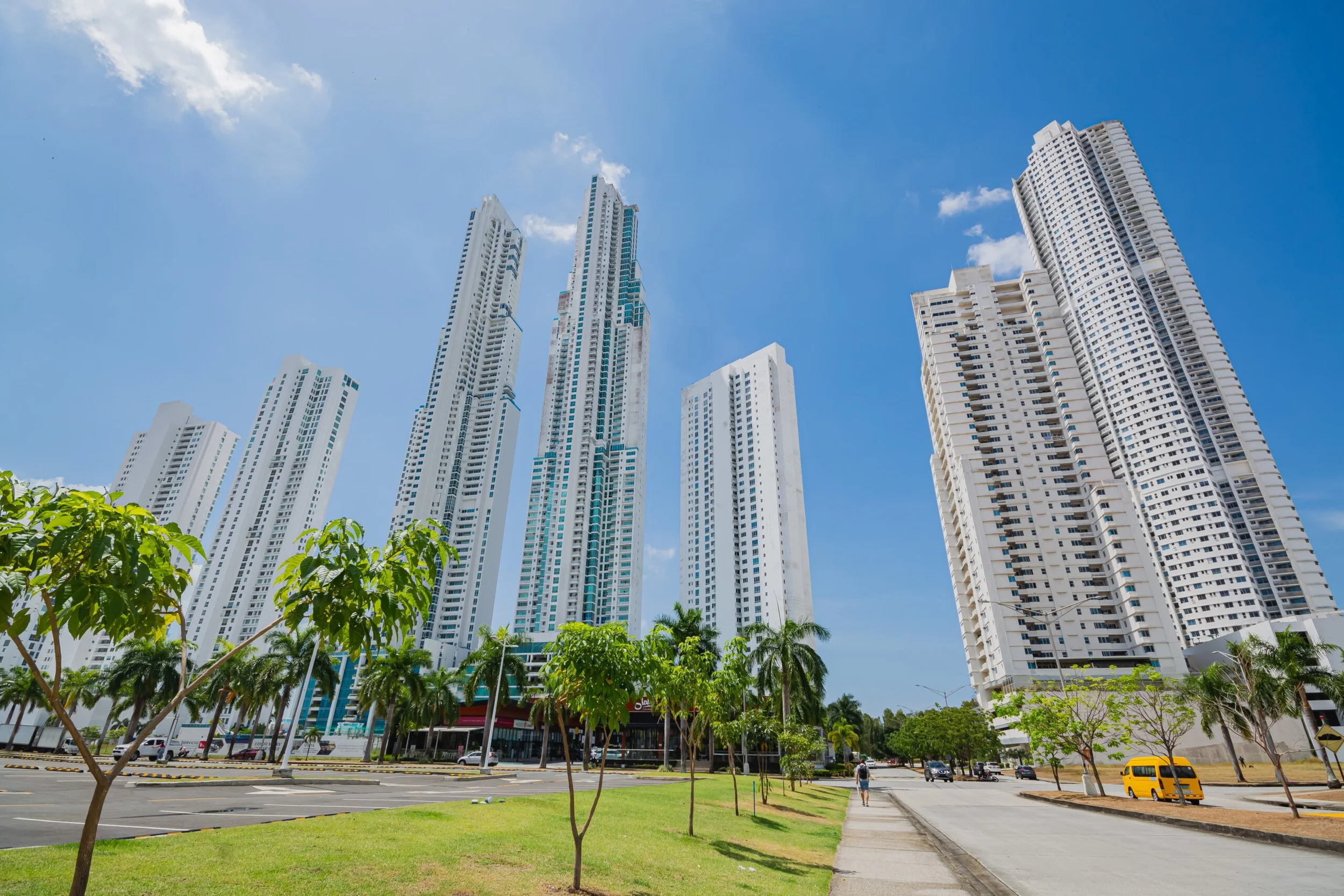
Costa del Este is the top choice for investors targeting the corporate expat rental market. The neighborhood is home to most multinational headquarters, international banks, and major corporate offices. Companies relocating executives to Panama City specifically target Costa del Este for its modern infrastructure, international schools, and proximity to the airport. Demand from corporate tenants is consistent and well-paying.
Prices per square meter in good Costa del Este buildings are among the highest in the city, typically USD 1,800 to USD 2,500 per square meter. Rental yields are solid rather than spectacular, typically 5% to 8%, but vacancy rates are low and tenant quality is high. Pre-construction buying in Costa del Este can be one of the most effective strategies, as developers release units at tiered pricing with early buyers accessing lower entry points.
San Francisco and Coco del Mar
Best Overall Balance
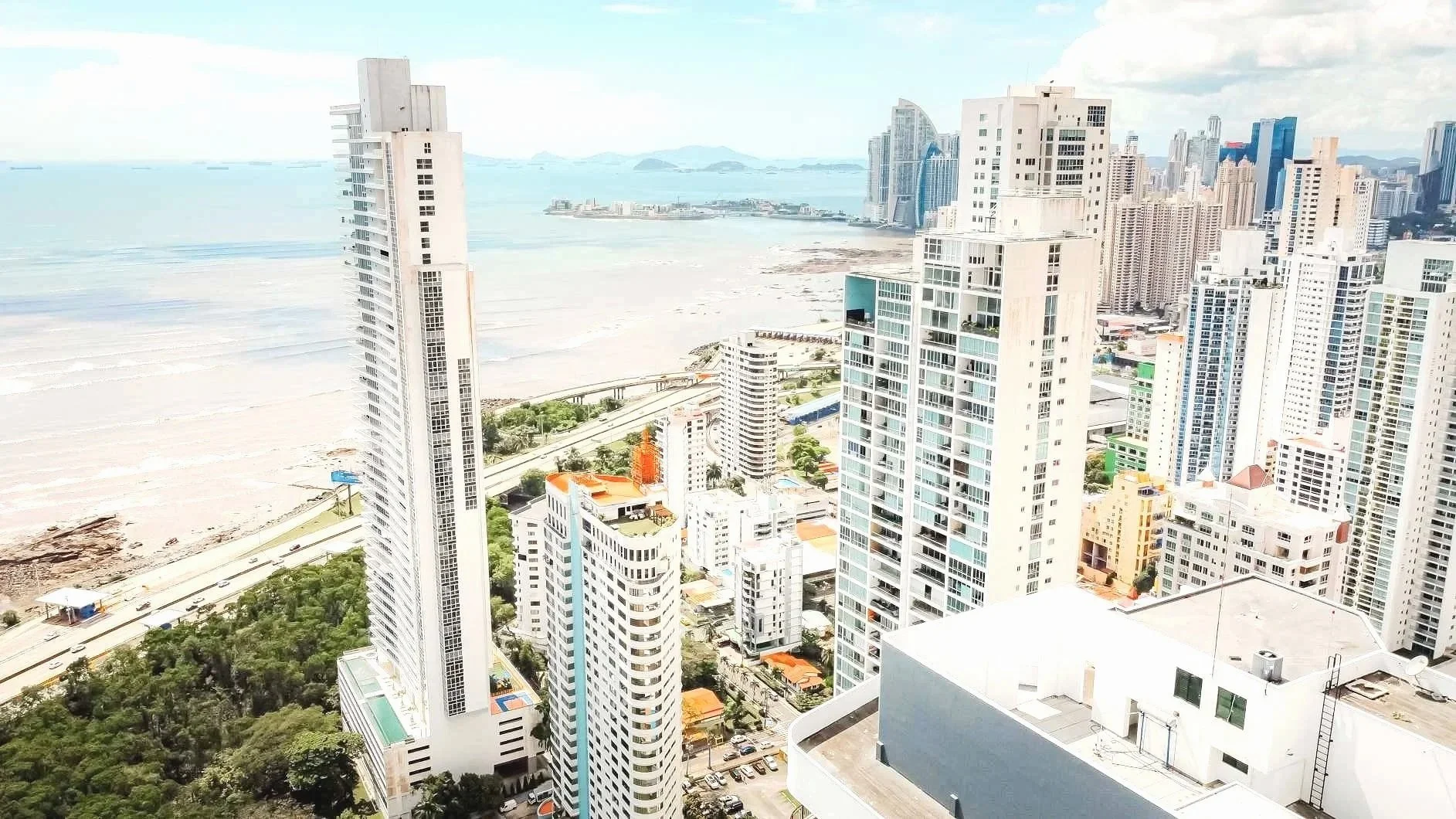
San Francisco is described by experienced investors as the most reliable neighborhood in Panama City for long-term residential investment. It is the commercial and residential hub of the city, easily accessible from all parts of Panama, and home to both the local upper class and the established expat community. Demand is consistent and tenants are not difficult to find.
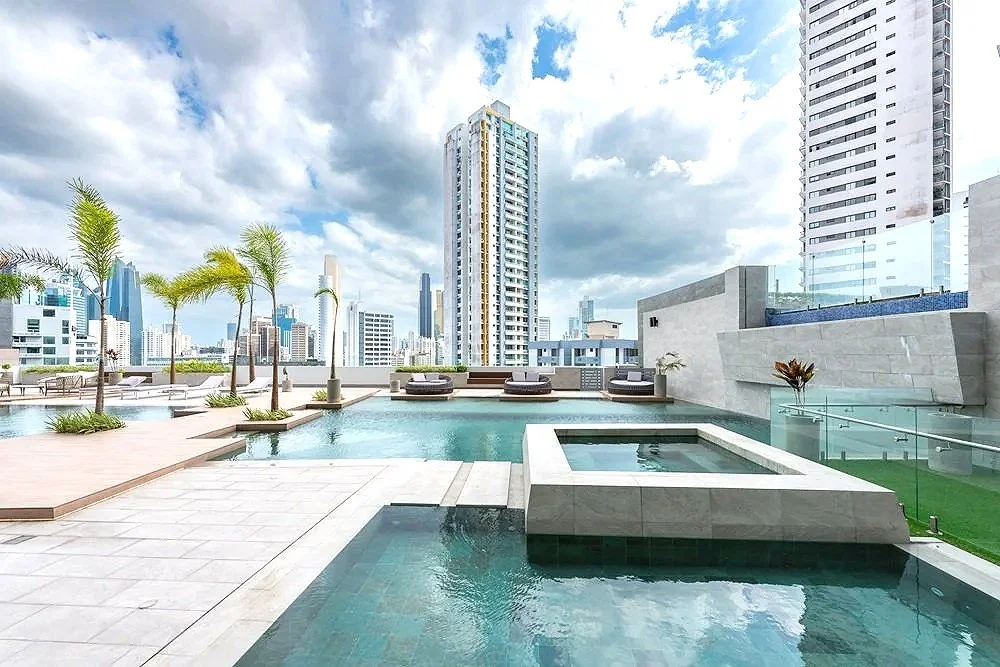
Coco del Mar is the modern high-rise extension of San Francisco, with newer buildings offering spectacular bay views and premium amenity packages. Several buildings have rooftop pools, running tracks, and co-working spaces. Average price per square meter in quality Coco del Mar buildings runs USD 1,600 to USD 2,200. Rental yields of 6% to 9% are achievable for well-positioned units.
For an investor targeting the USD 200,000 to USD 300,000 qualifying investment range, San Francisco and Coco del Mar consistently offer the best combination of asset quality, rental demand, and long-term value stability.
El Cangrejo
Highest Rental Yields in the City
El Cangrejo, within the larger Bella Vista corregimiento, delivers some of the highest gross rental yields in Panama City, with figures reaching 10% to 12% in well-positioned buildings according to Global Property Guide data. The neighborhood's popularity with young professionals, university students, digital nomads, and short-term visitors drives consistent occupancy. It is one of the few walkable urban neighborhoods in the city.
The trade-off is that El Cangrejo is a higher-density urban neighborhood with older building stock in parts, and some buildings show maintenance issues. Entry prices are lower, making it accessible for investors working with the USD 200,000 minimum, but due diligence on building quality and HOA management is essential.
Casco Viejo
Culture, Appreciation Potential, Complexity
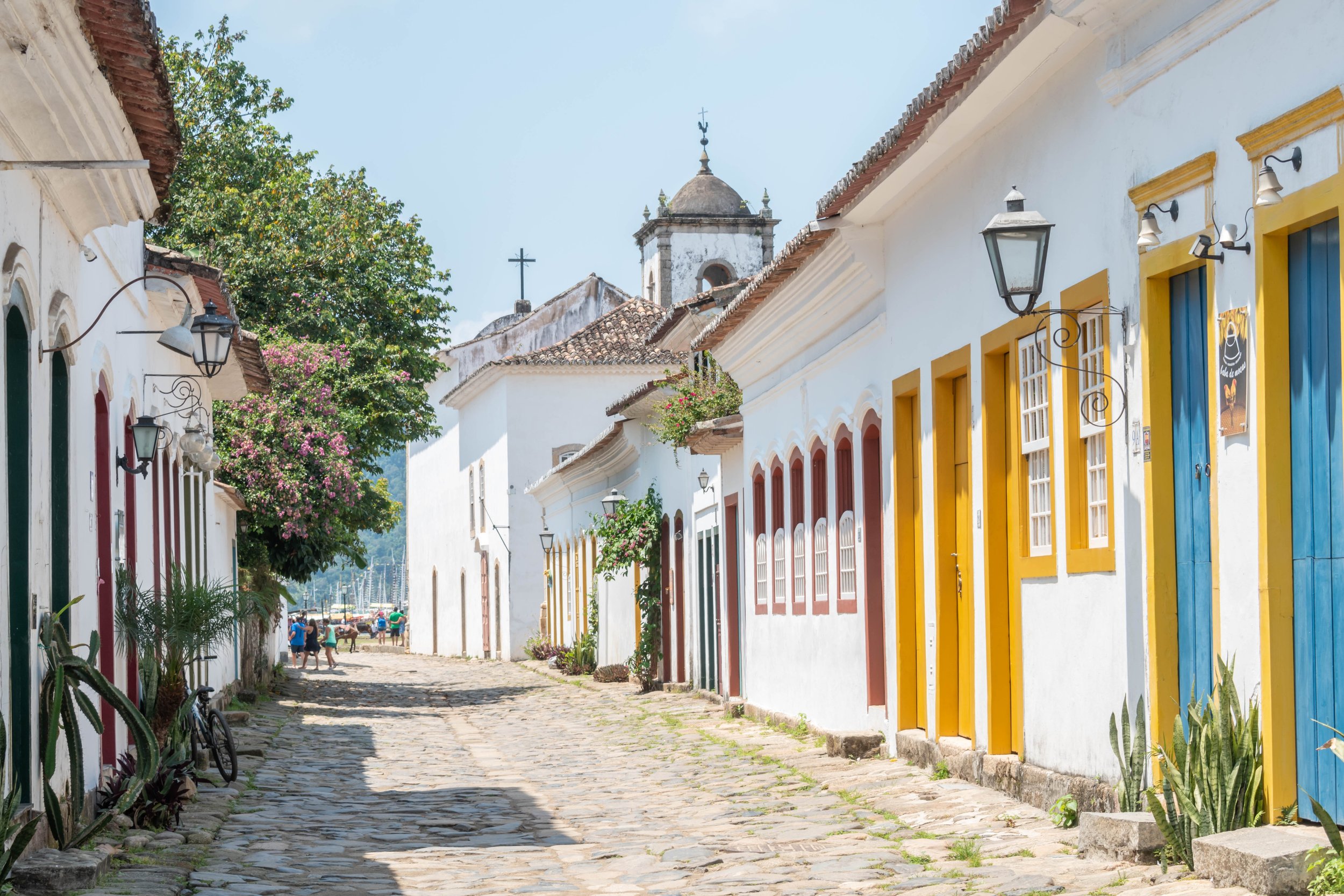
Casco Viejo, the UNESCO World Heritage historic district, offers a distinctive investment proposition. Renovated properties command premium rents from upscale tenants who specifically want the cultural and lifestyle experience of the historic district. The neighborhood has been gentrifying steadily for over a decade, and appreciation on well-selected properties has been strong.
The complexity is that renovation projects in Casco Viejo involve heritage preservation requirements, permits, and a longer development timeline. Buying an already-renovated boutique apartment or penthouse eliminates this complexity but requires a higher entry price. Note that new short-term rental regulations introduced in 2026 require specific tourism and zoning approvals for Airbnb-style operations in Panama City. Confirm these approvals before relying on short-term rental income as part of your investment case.
The Qualifying Investment: Numbers and Structure
For the Friendly Nations Visa, your qualifying real estate investment must be a minimum of USD 200,000 in your name, free of liens or with equity in the property equaling or exceeding USD 200,000 if you finance a portion. For the Qualified Investor Visa, the minimum is USD 300,000 until October 15, 2026, rising to USD 500,000 after that date. If the property value exceeds the minimum and you finance the balance through a Panamanian bank, the equity portion must meet the threshold. If you purchase a property worth USD 350,000 and finance USD 150,000, your equity of USD 200,000 qualifies for the FNV. Your attorney and the bank will confirm the exact structuring requirements. All investments must be held for a minimum period: three years for the FNV bank deposit route, and effectively for the residency period for real estate. For the QIV, investments must be maintained for five years. Early sale can affect residency status.
The Buying Process Step by Step
You identify a property and engage your real estate attorney for due diligence. Your attorney searches the Registro Publico for title, liens, encumbrances, and ownership history. You negotiate a purchase price and terms.
A Promise of Purchase and Sale agreement (Promesa de Compraventa) is signed with a deposit, typically 10% of the purchase price. This agreement binds both parties to the transaction at the agreed terms.
The balance is paid, and a Public Deed of Transfer (Escritura Publica) is executed before a Panamanian notary. Your attorney registers the title transfer in the Registro Publico.
You obtain a Certificate of Ownership (Certificado de Registro) from the Registro Publico confirming the title is in your name, free of liens. This document is required for your residency application.
For residency purposes, you also need a Certificate of Value from ANATI (the National Authority of Land Administration) confirming the property value meets or exceeds the qualifying threshold.
Total transaction costs including transfer tax, attorney fees, and registration fees typically run 3% to 5% of the purchase price.
Is Now a Good Time to Buy?
Panama's real estate market did not follow the dramatic price spikes of North American markets during 2021 to 2023. The market has been more stable, with steady appreciation in prime neighborhoods rather than speculative bubbles. The QIV's expanding approval volumes (327 approvals in 2024, up 75% from 2023) and growing North American demand are putting upward pressure on qualifying-grade properties in the USD 250,000 to USD 400,000 range.
The October 2026 threshold increase for the QIV from USD 300,000 to USD 500,000 is a material near-term catalyst. Investors who act before that date lock in both the lower residency threshold and what is likely to be a lower entry price relative to the post-October market.
Advisory No.9 acts as a coordination servicae and is not authorised to practise law or provide legal, tax, or financial advice. The contents of this website are for informational purposes only and do not constitute advice of any kind.